
The importance of treating wastewater correctly
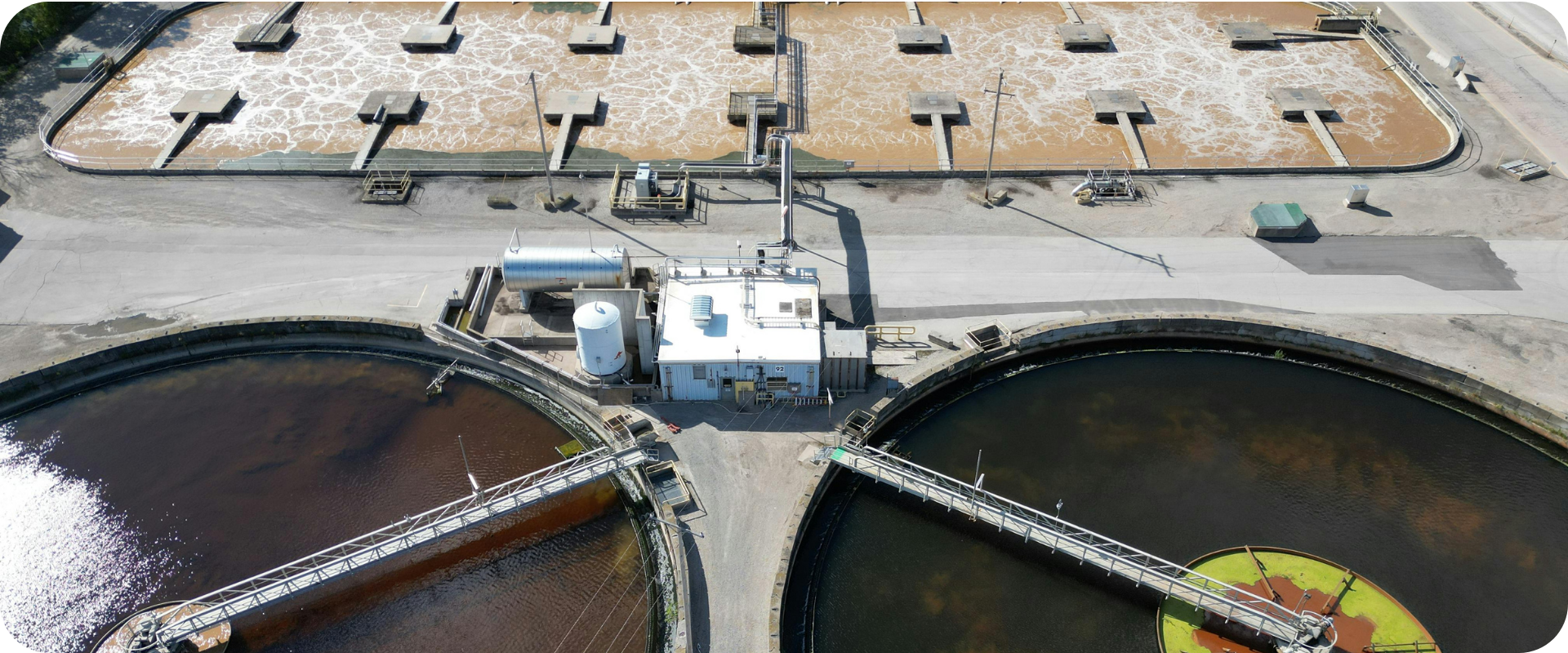
Wastewater treatment is not just an environmental requirement: it is a key strategy for preserving public health, protecting ecosystems, and ensuring future access to water, especially in regions experiencing water stress. Without proper management, wastewater can contain organic matter, heavy metals, pathogens, and toxic chemicals that damage biodiversity, contaminate water sources, and threaten the health of communities. At the industrial level, treating water properly avoids penalties, improves corporate reputation, and opens the door to safe reuse of the resource.
In addition, an efficient system reduces sludge, recovers energy and nutrients, and optimizes operating costs, aligning with circular economy principles. Modern technologies and products such as high-performance coagulants and flocculants enable cleaner, more stable, and more profitable operations.
What role do polyamines play?
Polyamine coagulants are cationic organic coagulants widely used in industrial and municipal wastewater treatment systems. Unlike traditional inorganic coagulants (such as aluminum sulfate or ferric chloride), polyamines offer superior technical and environmental benefits:
• High efficiency at low doses: Its chemical structure neutralizes negative charges in contaminating particles, facilitating their agglomeration and subsequent sedimentation. This results in cleaner effluents and lower turbidity, even with smaller amounts of product.
• More stable and safer processes: Polyamines generate a cleaner process, with less corrosion in equipment, greater compatibility with other treatment technologies, and more predictable and efficient operation.
• Less sludge generation: By not forming metal salts, polyamines reduce sludge production, which represents a significant decrease in waste management, disposal, and transportation costs.
Why implement polyamines in your treatment plant?
1.- Improves the quality of treated effluent
2.- Reduces the total use of chemicals
3.- Reduces the environmental impact of the process
4.- Facilitates regulatory compliance
5.- Increases the operational efficiency of the plant
6.- Contributes to the sustainability of the water cycle
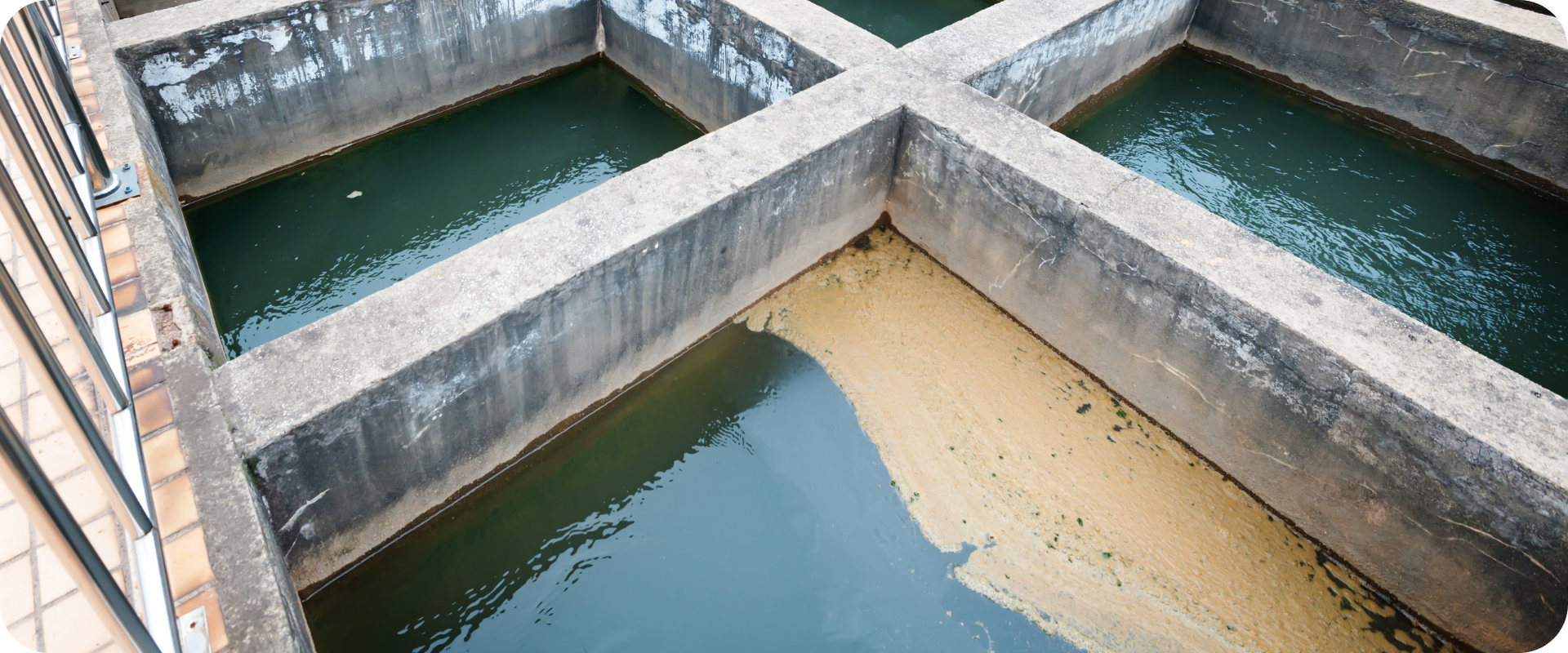
The importance of polyamine jar tests in wastewater treatment
In wastewater treatment, efficiency and sustainability depend not only on the type of coagulant or flocculant used, but also on how it is selected, dosed, and applied. For this reason, jar tests are an essential tool for making sound technical decisions, especially when working with polyamines, highly effective organic coagulants.
What is a jug test?
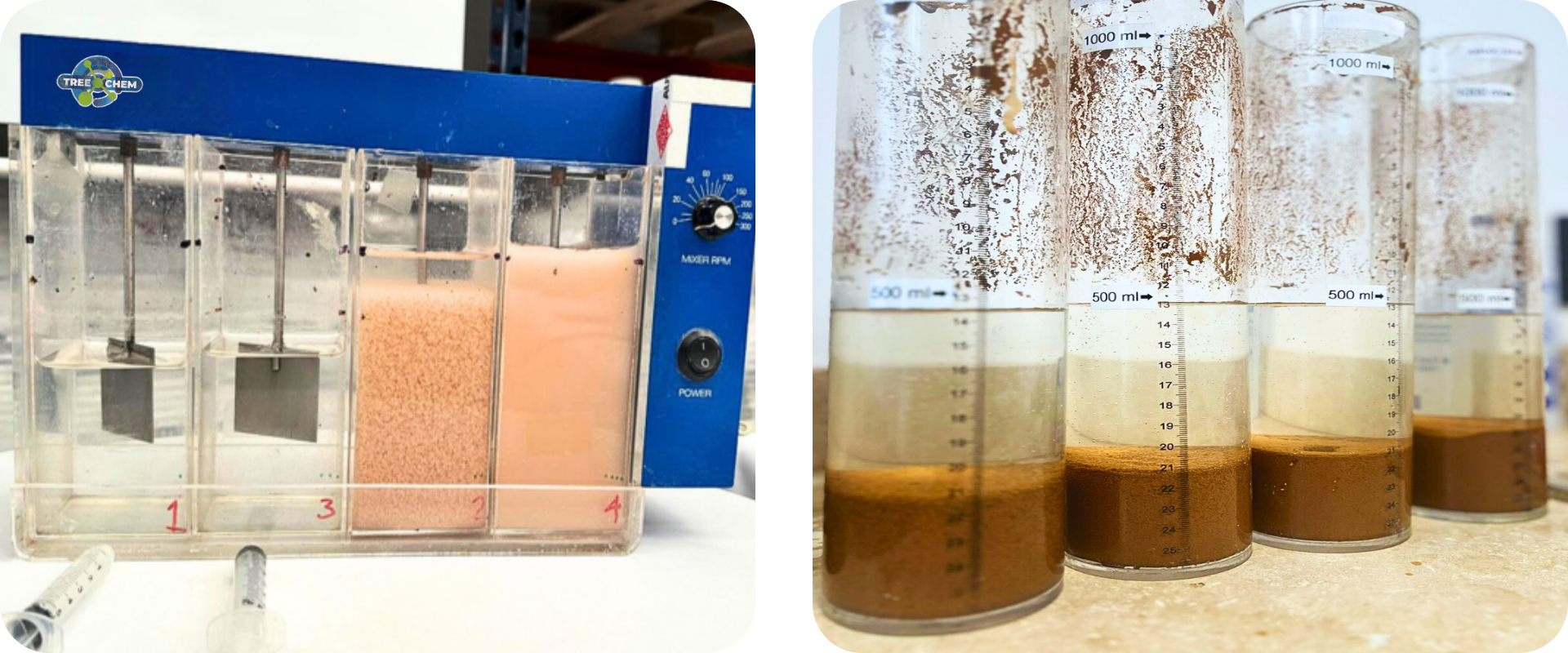
The jar test is a simulated laboratory test that reproduces on a small scale the coagulation–flocculation process that occurs in a treatment plant. Its purpose is to:
• Evaluate the behavior of different chemicals
• Determine the optimal dosage
• Observe floc formation and settling
• Measure parameters such as turbidity, pH, and suspended solids
Why are they particularly relevant with polyamines?
Polyamines are highly efficient cationic coagulants that act by neutralizing charges. Unlike inorganic coagulants, their performance can vary depending on the composition of the effluent, the pollutant load, and the operating conditions.
Performing a jug test allows you to:
• Confirm product compatibility with the type of wastewater
• Adjust the exact dosage, avoiding overdosing
• View floc behavior in real time
• Compare with other coagulation technologies
• Maximize efficiency with minimal environmental and economic impact
Learn about the sectors where we are already making an impact:
• Mining
• Paper industry
• Textiles
• Food and beverages
• Municipal wastewater treatment

At Treechem, we turn data into decisions.
Our technical team conducts on-site jar tests, with personalized support, to ensure that your plant operates at maximum performance from day one.
🔍 We evaluate your actual effluent
🧪 Dose adjustment and validation
📊 We analyze results in the field
📋 We provide you with a technical proposal tailored to your needs
📦 Reliable supply
Learn the key factors behind high-quality stucco: substrate, rheology, adhesion, cracking, and technologies to optimize its application.

Learn the key formulation principles for developing grouts with superior performance, consistency, and durability for various construction applications.

The open time of ceramic adhesives refers to the period during which the material retains its ability to wet the substrate and develop effective adhesion.
.png)
Did you know that 65% of structural concrete deterioration is directly related to corrosion caused by moisture?

Celluloses are high molecular weight polysaccharides. They are transformed through chemical reactions into cellulose ethers, key additives used in multiple industries.
The most demanding manufacturers are already using them. Increase the durability of your mortars and concretes.