
Additives that prevent leaks... right from the mix
In the competitive world of construction, durability is not just an added value: it is a market requirement. And that durability does not begin on the job site, it begins in the mix. If you produce mortars, precasts, or coatings, this information can transform the quality of your product. Two inconspicuous but absolutely essential additives are making a difference in the formulation of durable mortars, concretes, and precasts: sodium oleate and calcium stearate. Both compounds have a common origin: natural fatty acids. Initially used in industries such as pharmaceuticals and cosmetics, they were adopted by the construction sector in the mid-20th century for their extraordinary water-repellent properties. Since then, they have become key ingredients for manufacturers seeking to offer more resistant, stable mixtures with better performance against moisture.

Sodium Oleate: reduces moisture, not performance
Sodium oleate, a soluble sodium salt, blends easily into wet mixes or in situ. It functions as an anionic water repellent that reduces capillary water absorption without interfering with the setting or strength of mortar or concrete. It is ideal for manufacturers of sprayed mortars, stuccos, pastes, and formulations applied manually or mechanically.

Calcium stearate: your water-repellent powder solution
Calcium stearate is a calcium salt in powder form that is insoluble in water and particularly effective in dry formulations and industrialized systems. It acts by creating an internal barrier that repels water, improving the resistance of prefabricated elements, panels, slabs, and monolayers exposed to the environment.
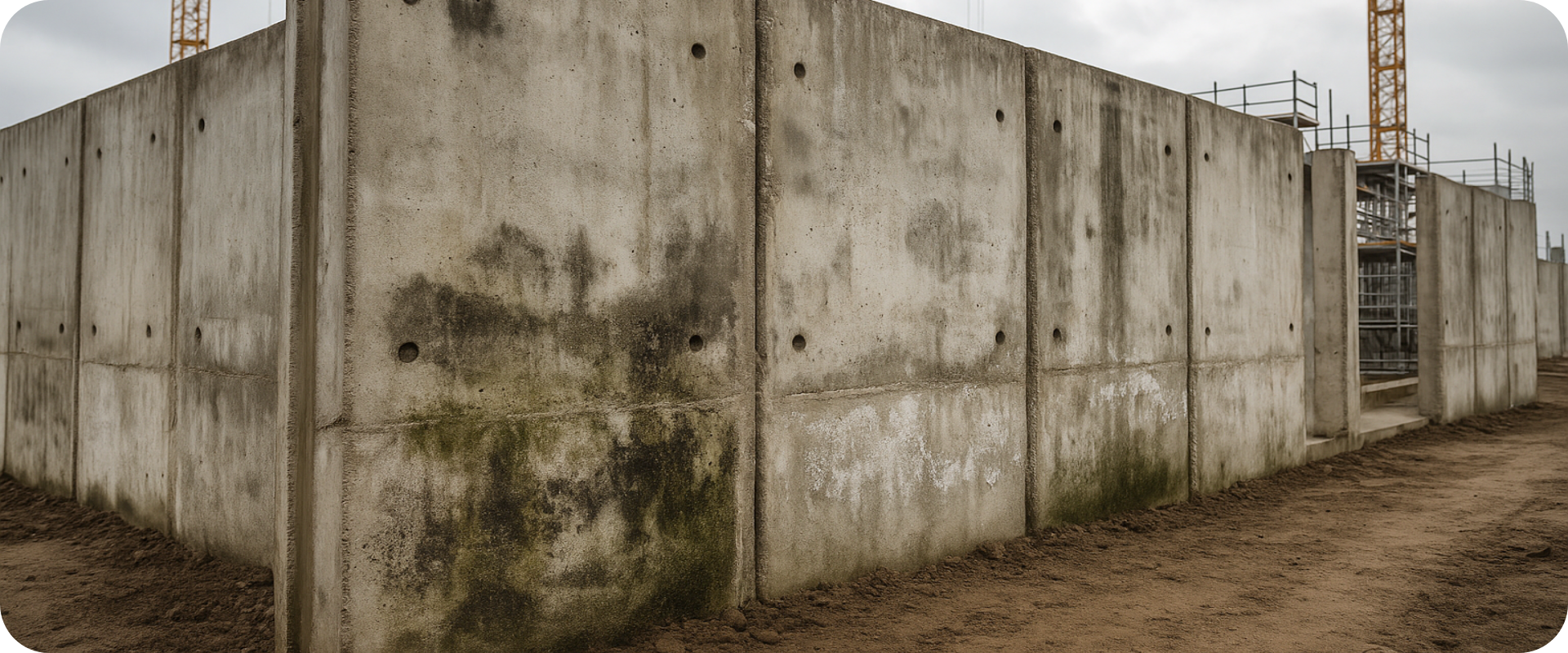
🏗️ Why should you incorporate them into your formulations?
• Immediate improvement in the water resistance and durability of the product
• Significant reduction in the risk of efflorescence, cracks, and moisture damage
• Optimization of the useful life of your materials
• Direct contribution to more efficient and sustainable construction
• Increases the perceived value of your products compared to the competition
Not including water-repellent additives in your formulas can result in:
• Increased premature deterioration due to moisture.
• Aesthetically defective finishes.
• Surface cracking due to water accumulation or thermal cycles.
• Construction complaints and loss of confidence in the product.
Both sodium oleate and calcium stearate not only act as water barriers; they also have positive effects on the microstructure of the material:
•Sodium oleate tends to reduce the surface tension of water in the mixture, which improves wetting and facilitates workability on site, especially useful in sprayed or troweled mortars in dry climates.
• Calcium stearate improves the internal compaction of the material thanks to its ability to coat particles and seal microscopic pores.

This microstructural effect translates into:
• Higher density of hardened material
• Less microcrack formation due to drying
• Reduced permeability without the need for film-forming additives
• Less variability in batch yield
🌱 Do they contribute to sustainability?
Yes. By minimizing moisture damage, the need for rework and long-term resource consumption is reduced. In addition, its application helps maintain the thermal efficiency of buildings, contributing to more environmentally responsible designs. The best products not only resist, they prevent problems from the design stage.
Sodium oleate and calcium stearate: two simple solutions for long-lasting results.
Learn the key factors behind high-quality stucco: substrate, rheology, adhesion, cracking, and technologies to optimize its application.
Learn the key formulation principles for developing grouts with superior performance, consistency, and durability for various construction applications.

The open time of ceramic adhesives refers to the period during which the material retains its ability to wet the substrate and develop effective adhesion.
.png)
Did you know that 65% of structural concrete deterioration is directly related to corrosion caused by moisture?

Celluloses are high molecular weight polysaccharides. They are transformed through chemical reactions into cellulose ethers, key additives used in multiple industries.
Polyamine compounds are key cationic organic coagulants in the treatment of industrial and municipal wastewater.
.png)