
Moisture in concrete systems
When cement, combined with other types of aggregates such as gravel or sand, comes into contact with water, it absorbs a certain amount of liquid depending on its porosity and affinity; this not only compromises safety but also affects the structure’s appearance. Structural damage caused by moisture leads to serious problems that affect load-bearing walls.
There are typically three common types of structural damage: damage caused by capillary action, condensation, or water seepage.
- Structural damage caused by capillary action: This type of moisture is caused by water that accumulates in the subsoil and is absorbed through the capillary pores of the structure.
- Structural damage caused by condensation: This refers to damage caused by excessive humidity in the air.
- Structural damage caused by water leakage: Water leakage is the most common cause of moisture-related damage. This is usually due to a lack of proper waterproofing.
Effects of moisture on your concrete:
• Appearance of salt stains or efflorescence
• Appearance of mold around the edges
• Cracks and fissures
• Corrosion of your structure
• Warping
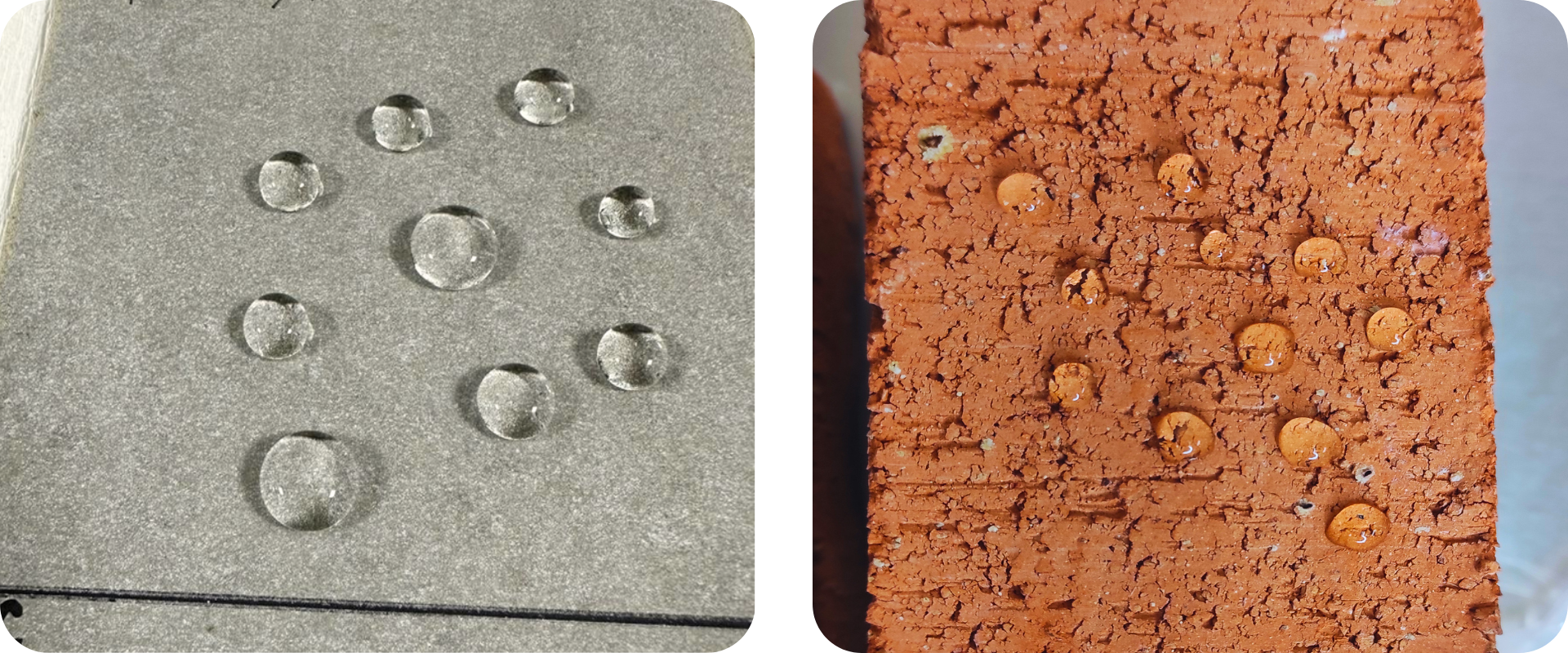
Moisture is the primary cause of most damage to building materials. Hydrophobic agents will be your best ally in developing new materials with improved properties that help prevent and/or reduce water penetration, as they seal the pores and capillaries, ensuring the durability of the treated materials. The Ruisil® line of water repellents reduces and prevents capillary water seepage without blocking the material’s pores. They help preserve the insulating properties of the substrates to which they are applied and do not affect the concrete’s final compressive strength.
If you forgot to add a water-repellent agent to your mixture, don't worry—Treechem offers a variety of solutions, whether you want to add it to your dry mortar or protect your finished project with a liquid water repellent without altering its final appearance.
We offer three types of applications:
• RJ-H80 powder
• RJ-WP18 solvent-based
• RJ-WP01 water-based
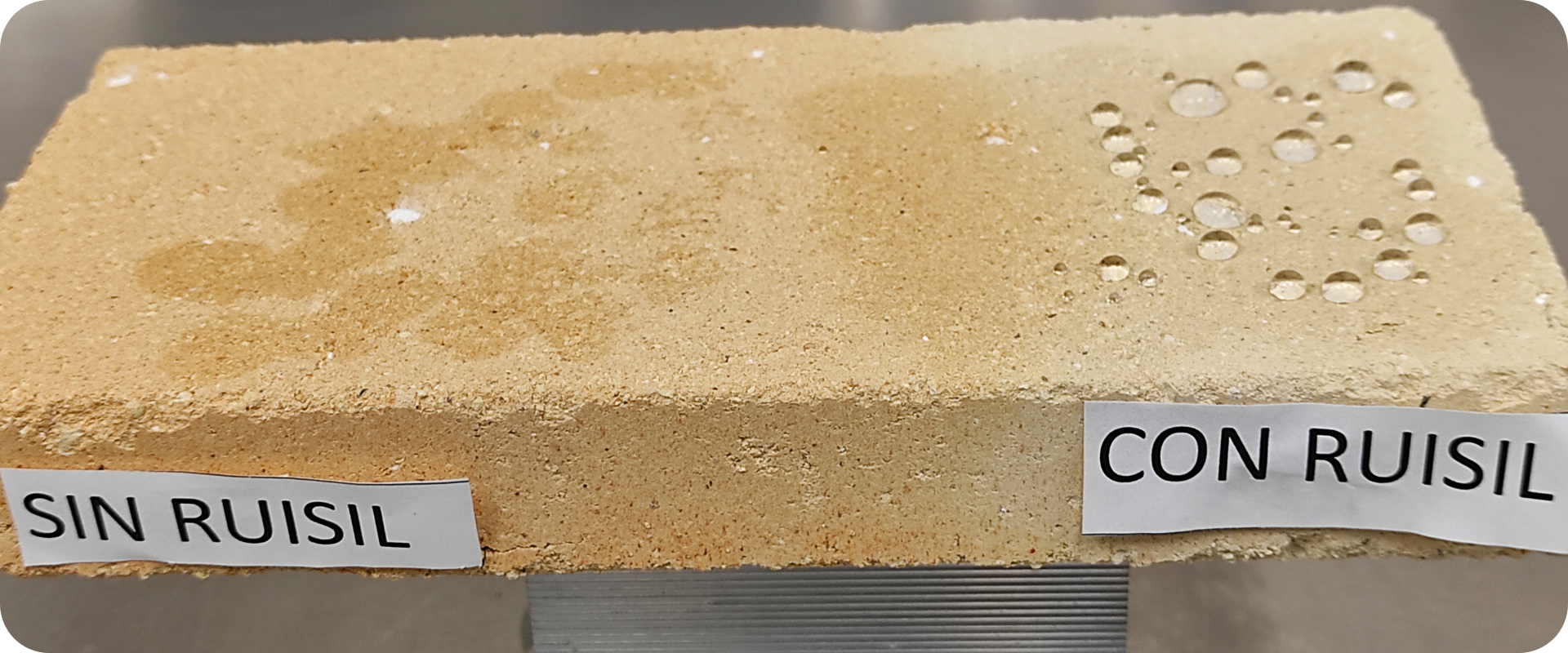
Combine your materials with hydrophobic agents to achieve unmatched protection in your formulations, improving performance, workability, and mechanical properties at a low cost—and, above all, exceeding quality standards.
Learn the key factors behind high-quality stucco: substrate, rheology, adhesion, cracking, and technologies to optimize its application.
Learn the key formulation principles for developing grouts with superior performance, consistency, and durability for various construction applications.

The open time of ceramic adhesives refers to the period during which the material retains its ability to wet the substrate and develop effective adhesion.
.png)
Celluloses are high molecular weight polysaccharides. They are transformed through chemical reactions into cellulose ethers, key additives used in multiple industries.
Polyamine compounds are key cationic organic coagulants in the treatment of industrial and municipal wastewater.
.png)
The most demanding manufacturers are already using them. Increase the durability of your mortars and concretes.