
The Base Coat: much more than just an intermediate layer
In the world of construction, each layer that makes up a coating system fulfills an essential technical function. Among them, the base coat—also called the "base layer" or "base coating"—is one of the most important in multi-layer systems such as EIFS (Exterior Insulation and Finish Systems), cementitious coatings, decorative mortars, or microcement applications. Its correct formulation and application make a significant difference in the performance, durability, and final aesthetics of the finish.
What is Base Coat?
The Base Coat is an intermediate layer that is applied to a prepared surface before the final finish (top coat) is applied. Its main function is to level, protect, improve the adhesion of subsequent layers, and ensure a stable, resistant, and durable support. In technical terms, the Base Coat can be composed of a mixture of cement, polymers, mineral fillers, fibers, pigments, and specific additives, formulated according to its intended function.
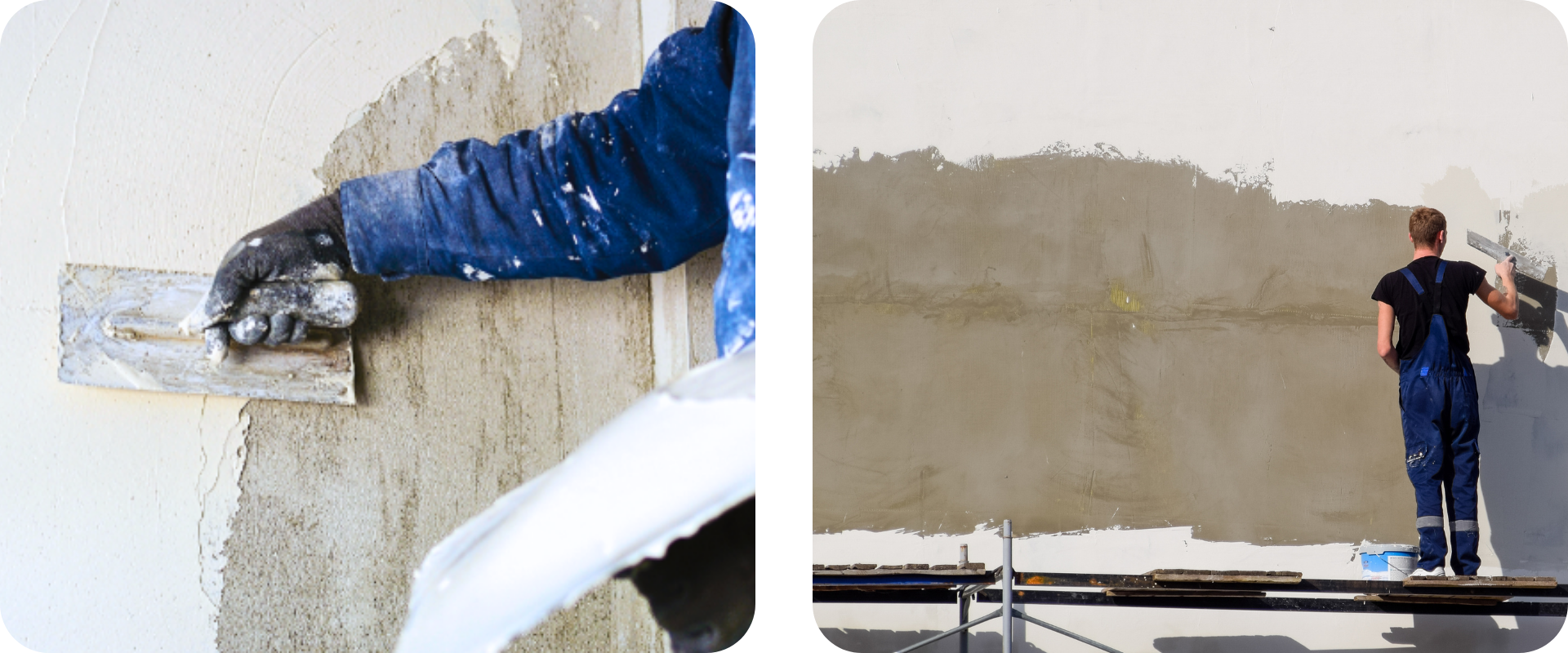
Applications of Base Coat in Construction
• EIFS systems: Applied over insulation panels (such as EPS), together with embedded reinforcement mesh, to form a layer that is resistant to impact and weathering.
• Microcement and decorative coatings: As a first layer that levels the surface, adds body, and provides adhesion to the system.
• Multilayer waterproofing: As a support between primer layers and waterproof finishes.
• Surface repair: To level walls, facades, or floors before applying a final coating.
Why is applying a base coat essential?
1. Improves the adhesion of the final finish to the substrate.
2. Distributes mechanical loads and absorbs minor structural movements.
3. Protects against moisture and physical impact if it contains adequate reinforcements.
4. Compensates for imperfections and provides a homogeneous surface.
5. Increases the durability of the entire coating system.
6. Optimizes the aesthetic performance of the top coat (color, texture, and homogeneity).
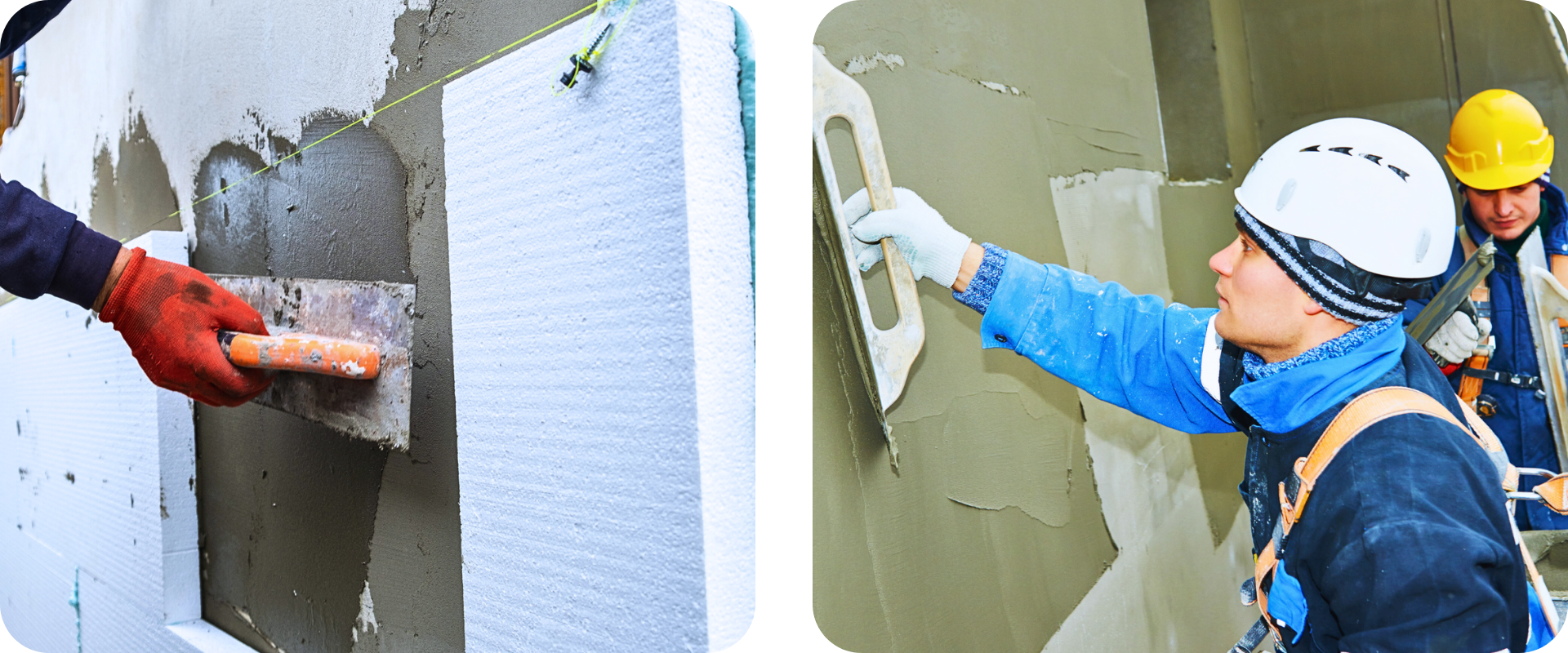
What happens if you don't use a base coat?
Omitting this intermediate layer can compromise the adhesion of the coatings, which can lead to detachment, cracks, or even water leaks over time. This not only affects the aesthetics, but also jeopardizes the structural integrity of the coated surfaces.
Why is a base coat necessary?
• Heterogeneity of substrates: Concrete , plaster, blocks, and boards have different absorption rates and textures. The Base Coat unifies this substrate.
• Increased thermal and acoustic requirements: Systems such as EIFS require intermediate functional layers that integrate reinforcement and adhesion.
• Demand for finer and more durable finishes: Modern aesthetics require perfectly flat and resistant bases.
• Prevention of pathologies: Moisture , cracks, and detachment can be prevented with a good base coat.
In short, the Base Coat is not just an intermediate layer: it is a strategic layer.
Is the secret to a successful base coat in the additives?
The Base Coat is the backbone of the system, ensuring adhesion, cohesion, durability, and workability. It may seem like a basic product, but its performance depends largely on strategic formulation and the intelligent use of additives. Understanding its function and selecting the right ones turns a common mixture into a solution with high technical and commercial value.
Some of the additives used are:
• Redispersible polymers
• Setting retarders or accelerators
• Cellulose
• Polypropylene fibers
• Defoamers and dispersants
• Water repellents
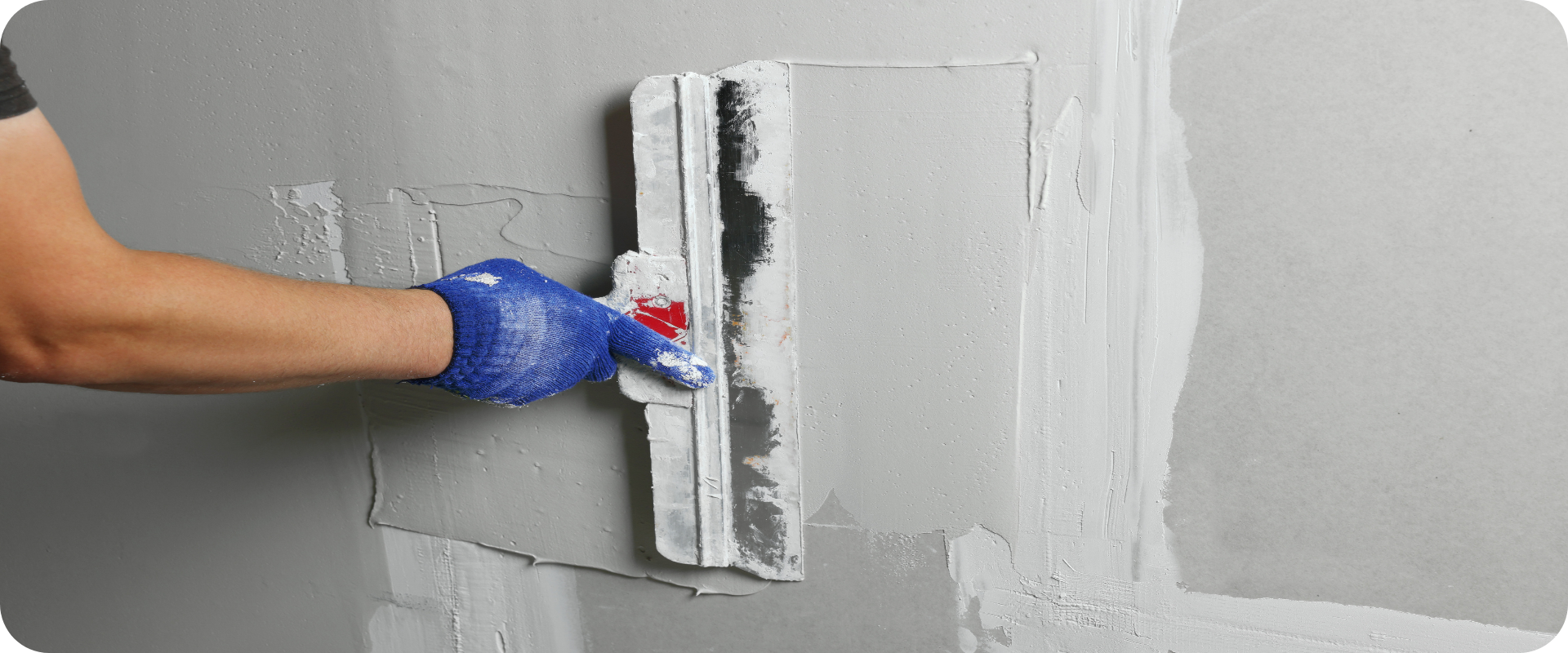
Redispersible polymers play a key role in formulation, as they provide multiple benefits to the system. They improve adhesion to various substrates, increase material flexibility, and help prevent cracks caused by thermal movement or shrinkage. In addition, they reinforce internal cohesion, optimize workability, and extend the service life of the system. These benefits are particularly relevant in EIFS/SATE systems and exterior coatings, where weather resistance and durability are determining factors.
Strength, flexibility, and quality begin with a well-designed Base Coat formulation. At Treechem, we understand that every layer counts. That's why our products are formulated to deliver superior adhesion and a durable finish, ensuring that your building system remains strong, attractive, and functional for many years to come.
Get it right from the start. Do it with Treechem!
Learn the key factors behind high-quality stucco: substrate, rheology, adhesion, cracking, and technologies to optimize its application.
Learn the key formulation principles for developing grouts with superior performance, consistency, and durability for various construction applications.

The open time of ceramic adhesives refers to the period during which the material retains its ability to wet the substrate and develop effective adhesion.
.png)
Did you know that 65% of structural concrete deterioration is directly related to corrosion caused by moisture?

Celluloses are high molecular weight polysaccharides. They are transformed through chemical reactions into cellulose ethers, key additives used in multiple industries.

Polyamine compounds are key cationic organic coagulants in the treatment of industrial and municipal wastewater.
.png)