
Redispersible Polymers: the sustainable alternative to natural chukum
Chukum is mainly composed of a natural resin extracted from the bark of the Haematoxylum brasiletto tree, known as "chukum" or "chacá." This resin contains several components that give it its waterproofing and protective properties. The chukum finish has traditionally been used in construction, especially in the Yucatan region, due to its exceptional waterproofing properties, moisture resistance, and ability to protect surfaces exposed to the tropical climate. This finish, which is applied to surfaces such as stone, brick, and masonry, is characterized by its natural brown color, although it can be pigmented to vary its shade.
Over time, the use of chukum has declined, and today it is largely obsolete compared to other more industrialized products. However, the search for alternatives that not only offer similar properties but are also more sustainable and environmentally friendly has become increasingly important.
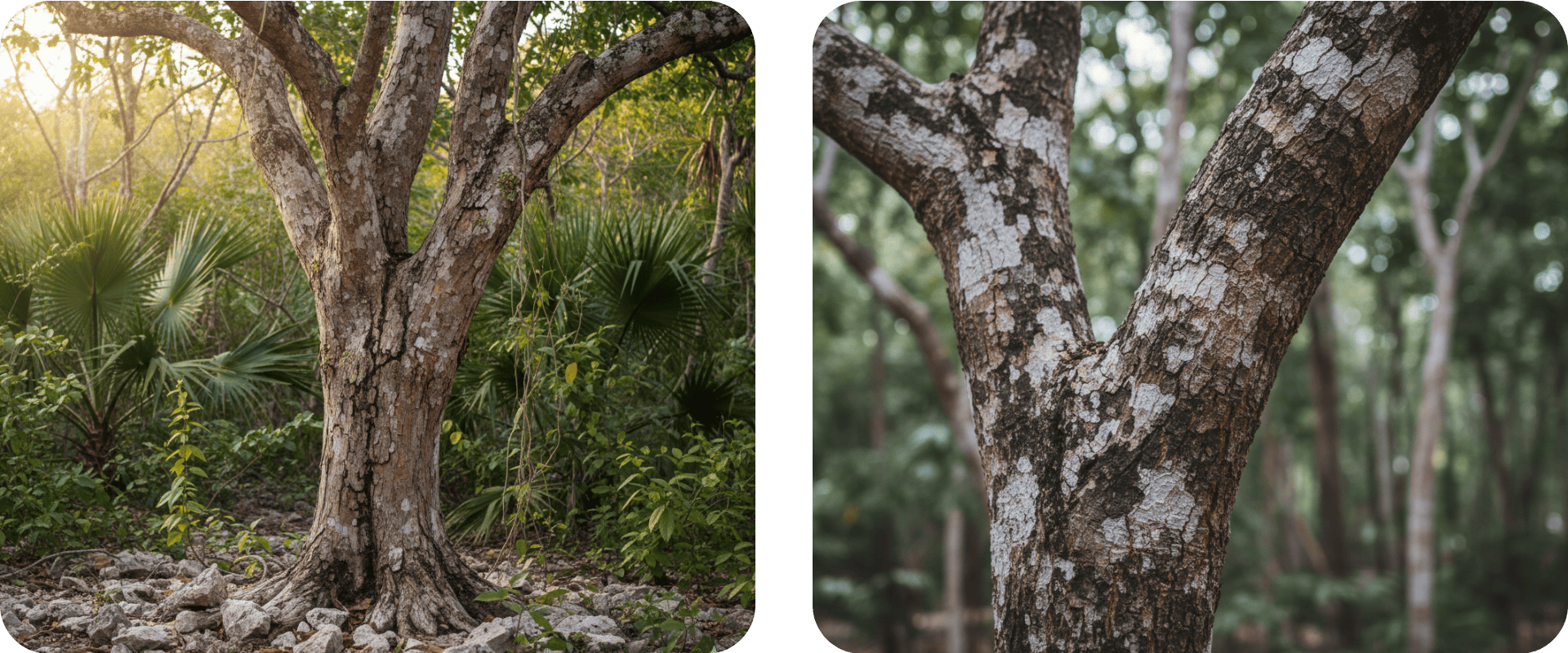
Why replace chukum with redispersible polymers?
While chukum has certain useful properties, its harvesting and processing are limited by factors such as tree availability, environmental conditions, and the difficulty of extracting and transforming the resin efficiently. This is where redispersible polymers come in, offering a modern alternative that can provide similar properties with the advantage of more controlled production, greater durability, and less dependence on the extraction of natural resources. This alternative is gaining acceptance in the construction industry, especially in projects where efficiency, cost, and sustainability are priorities.
Advantages of Redispersible Polymers:
• Sustainability: Unlike chukum, redispersible polymers do not rely on intensive extraction of natural resources. They are synthesized from products that can be recycled, reducing their environmental impact.
• Greater stability and consistency: Redispersible polymers offer greater stability in their properties, such as water resistance, durability, and flexibility, without the variations that natural materials such as chukum can present.
• Versatility: These polymers can be formulated to suit different types of applications, from coatings to adhesives or paints, and allow for greater customization of the final product's properties.
• Less impact on harvesting: Unlike chukum, which involves cutting down trees, redispersible polymers are obtained from industrial processes that do not require intensive use of natural resources, contributing to environmental conservation.
• Economy and efficiency: The production of redispersible polymers is scalable and more affordable, facilitating their integration into various industries, with a generally lower cost compared to chukum processing.
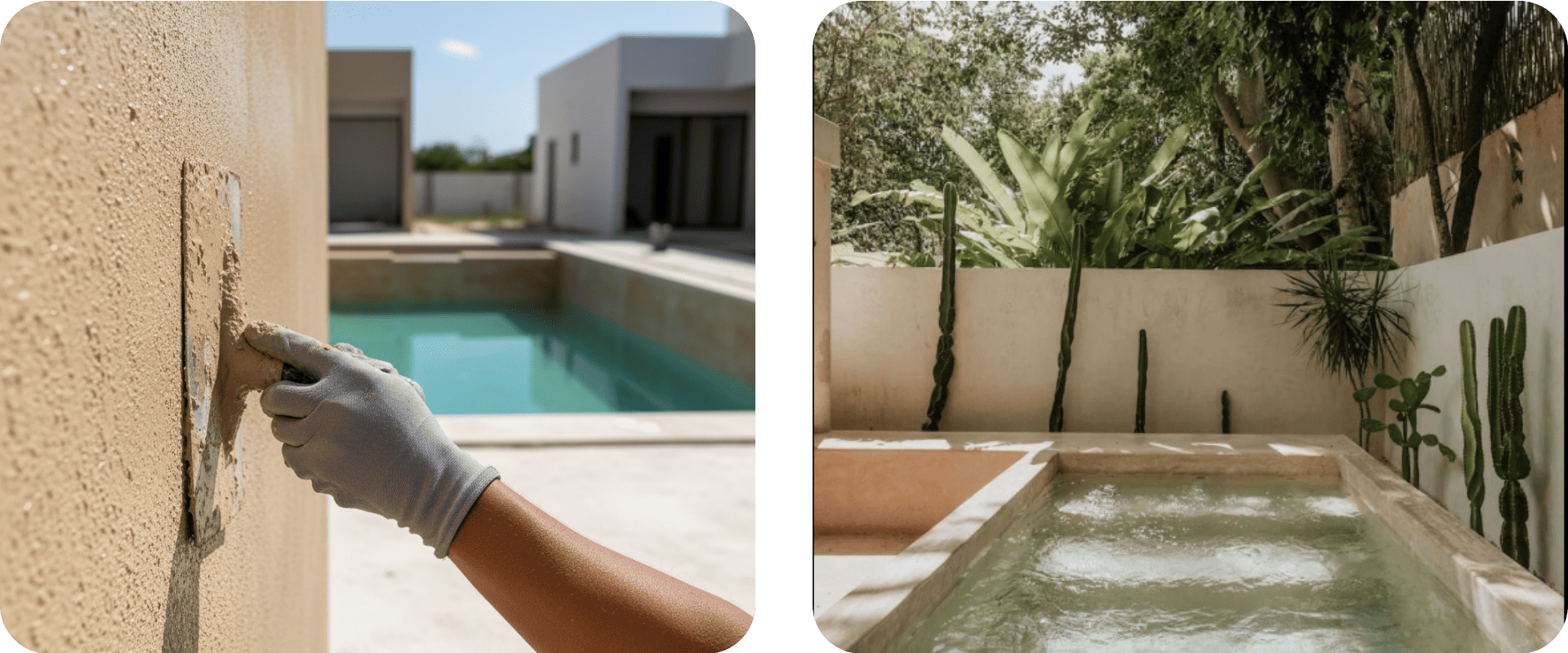
Technical properties
• Chukum: It is known for its unique aesthetic and its use in decorative finishes in construction, especially in traditional architecture. However, it is susceptible to degradation by climatic factors, such as humidity and heavy rains, which can affect its durability over time.
• Redispersible Polymers: These offer improved adhesion, flexibility, and strength properties, making them ideal for applications in mortar mixes, paints, and coatings. Their durability and resistance to wear and tear, as well as extreme weather conditions, are superior to those of chukum, reducing the need for maintenance.
The future of construction and environmental protection
The adoption of Redispersible Polymers also responds to a growing need to comply with environmental and energy efficiency regulations, driven by advances in global sustainability standards. These polymers help reduce the use of non-renewable resources and promote more responsible construction practices that are aligned with future demands.
At Treechem, we offer high-quality redispersible polymers, designed as an efficient alternative to traditional chukum, allowing for the development of more durable, functional, and environmentally friendly projects. Our redispersible polymers significantly improve the adhesion, flexibility, and resistance of mortars, coatings, and adhesives, offering superior performance compared to conventional chukum. Thanks to their technical properties, they are ideal for both indoor and outdoor applications.
This change represents an investment in innovation, promoting a greener, more durable, and more responsible construction sector. Construction and caring for the environment can go hand in hand!

Learn the key factors behind high-quality stucco: substrate, rheology, adhesion, cracking, and technologies to optimize its application.
Learn the key formulation principles for developing grouts with superior performance, consistency, and durability for various construction applications.
The open time of ceramic adhesives refers to the period during which the material retains its ability to wet the substrate and develop effective adhesion.
.png)
Did you know that 65% of structural concrete deterioration is directly related to corrosion caused by moisture?

Celluloses are high molecular weight polysaccharides. They are transformed through chemical reactions into cellulose ethers, key additives used in multiple industries.
Polyamine compounds are key cationic organic coagulants in the treatment of industrial and municipal wastewater.
.png)